Spider (male palp): electric-blue tarantula
Chilobrachys natanicharum
8 mm (range 4 mm–8 mm)
Palpal bulb + embolus length (PBL + ELS: start of subtegulum to end of tegulum, plus embolus along a straight line with the bulb); the sperm-transfer part of the male pedipalp, not a penis; holotype male
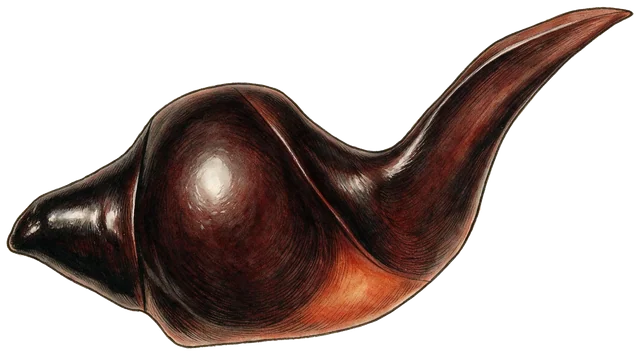
Male spiders have no penis. The male ejaculates onto a small sperm web, sucks the sperm up into a bulb at the tip of each pedipalp, and delivers it through a knife-like embolus. In this tarantula's holotype, bulb plus embolus measures 8.02 mm.
Margin note: The palp works much like a laboratory pipette, filled at the sperm web and emptied into the female.
Sources
- Chomphuphuang N., Sippawat Z., Sriranan P., Piyatrakulchai P., Songsangchote C. (2023) A new electric-blue tarantula species of the genus Chilobrachys Karsch, 1892 from Thailand (Araneae, Mygalomorphae, Theraphosidae). ZooKeys 1180:105–128 doi:10.3897/zookeys.1180.106278
- Mammola S., Michalik P., Hebets E.A., Isaia M. (2017) Record breaking achievements by spiders and the scientists who study them. PeerJ 5:e3972 doi:10.7717/peerj.3972
- Zhang S., Yu L., Tan M., Tan N.Y.L., Wong X.X.B., Kuntner M., Li D. (2022) Male mating strategies to counter sexual conflict in spiders. Communications Biology 5:534 doi:10.1038/s42003-022-03512-8
- Sentenská L., Müller C.H.G., Pekár S., Uhl G. (2017) Neurons and a sensory organ in the pedipalps of male spiders reveal that it is not a numb structure. Scientific Reports 7:12209 doi:10.1038/s41598-017-12555-5
Drawn from
- Chomphuphuang et al. 2023, ZooKeys 1180, Fig. 7A–D: Holotype male palpal bulb in prolateral, retrolateral, dorsal and ventral views (scale bars 1 mm): spherical dark red-brown bulb with long flat knife-like embolus
- Chomphuphuang et al. 2023, ZooKeys 1180, Fig. 3: Bulb outline with the measured dimensions (PBL, ELS, PBW, EW, ELC) marked: defines the scaling anchor
- Chomphuphuang et al. 2023, ZooKeys 1180, Fig. 1B: Live holotype male (for the mascot; violet-blue legs)
See it at true size on your screen · Human vs Spider (male palp): electric-blue tarantula